
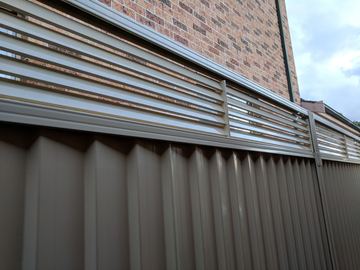
Colorbond Fence Panel with 300mm LOUVRE Inserts
Colorbond Fence Panel with Louvre Inserts.
Deep aluminium blades with a fine gap – the most private open fence there is, with the sharp shadow lines architects ask for. Fences, feature screens and matching gates, supplied as kits or installed across Sydney.
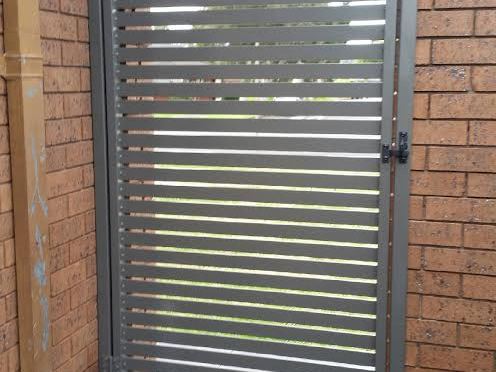
Blade fencing is the step up from slat fencing. Instead of a flat 65 × 16 mm slat, each element is a deep rectangular aluminium blade – 65, 100 or 150 mm deep – fixed so its narrow edge faces the street. Viewed square-on you see through the gaps; step to the side and the depth of the blades closes the view completely. It gives real privacy without a solid wall, keeps air moving, and creates the crisp shadow lines that define contemporary Australian homes.
We build blade fences and screens horizontally or vertically, in any powder-coat colour or woodgrain finish, with matching gates. The gallery below shows our aluminium slat and louvre work, which uses the same materials, fixings and colours as blade fencing – ask for a blade sample at the site measure.
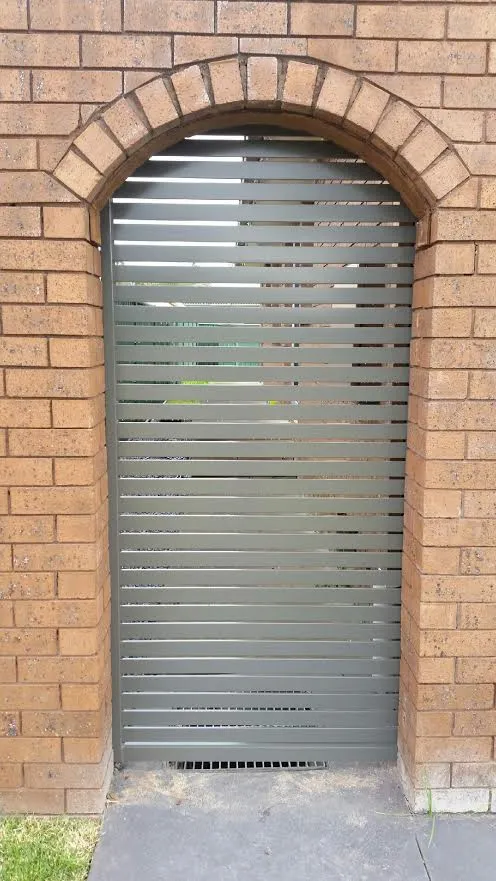
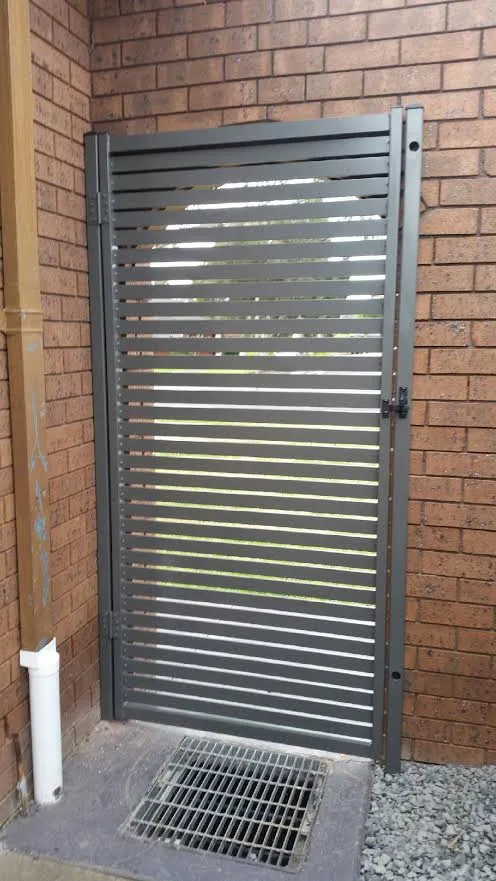
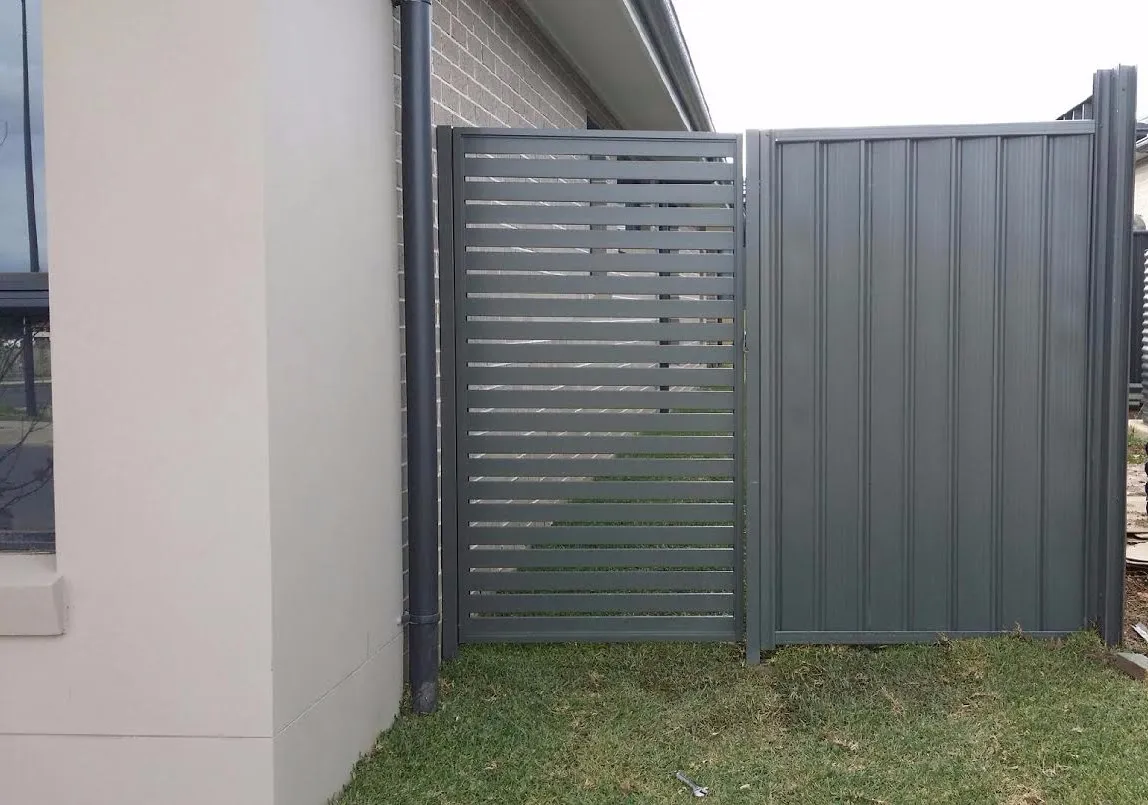
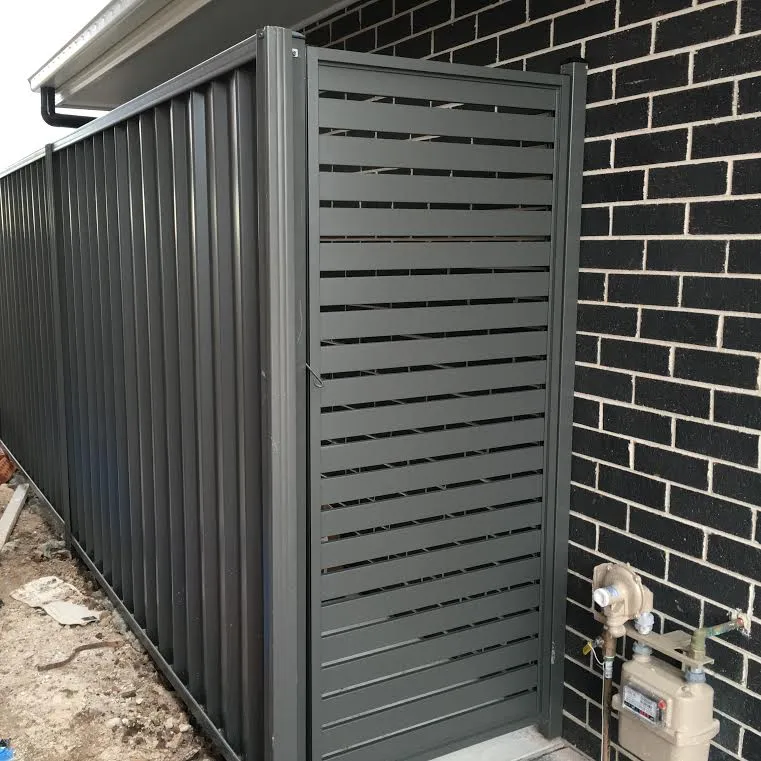
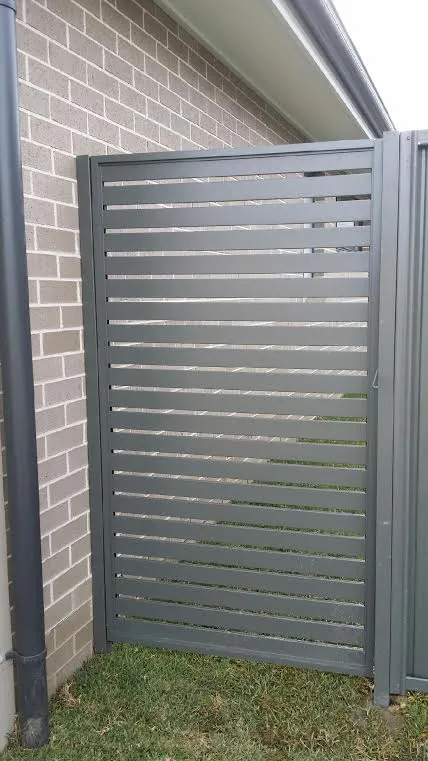
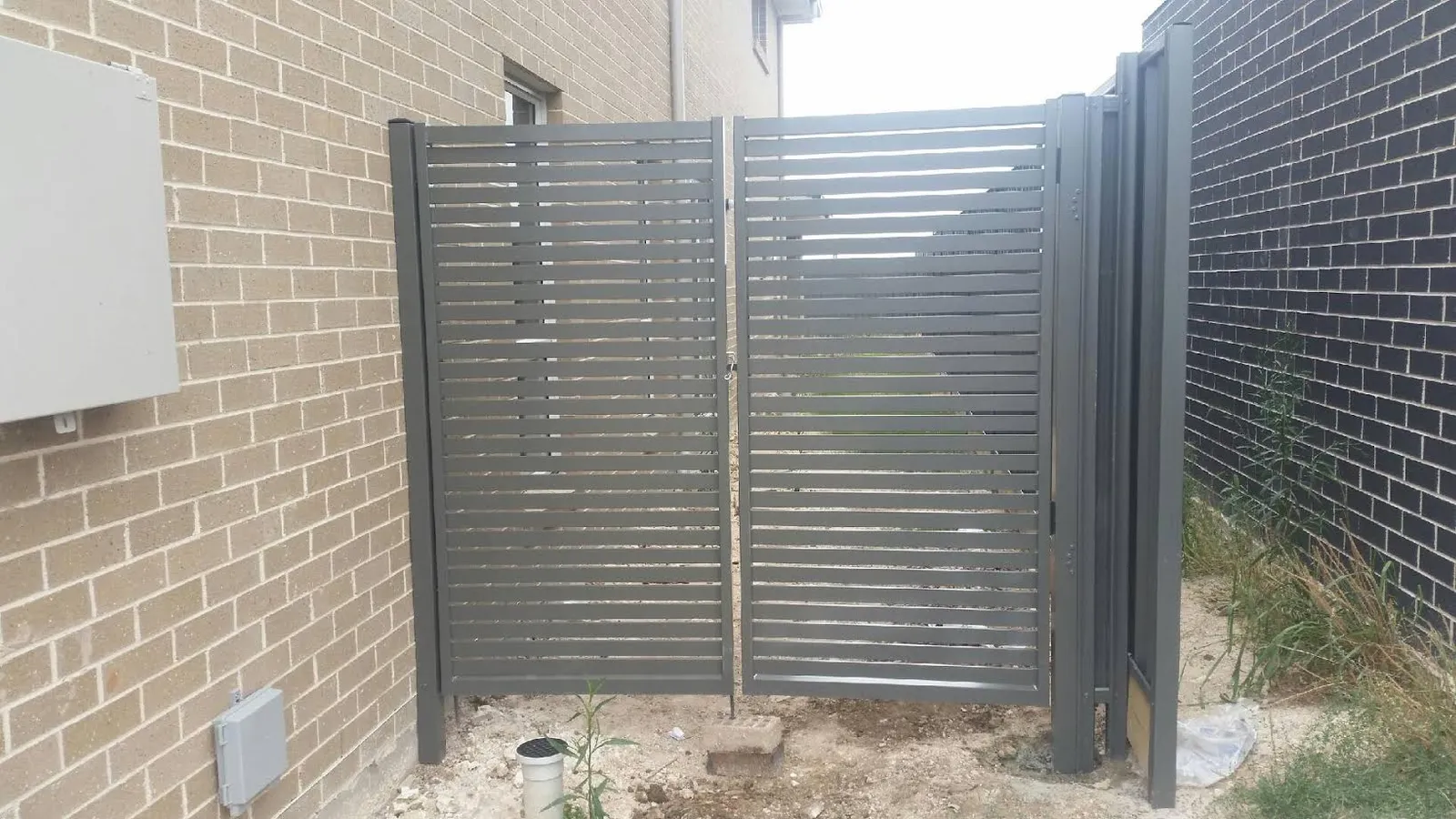
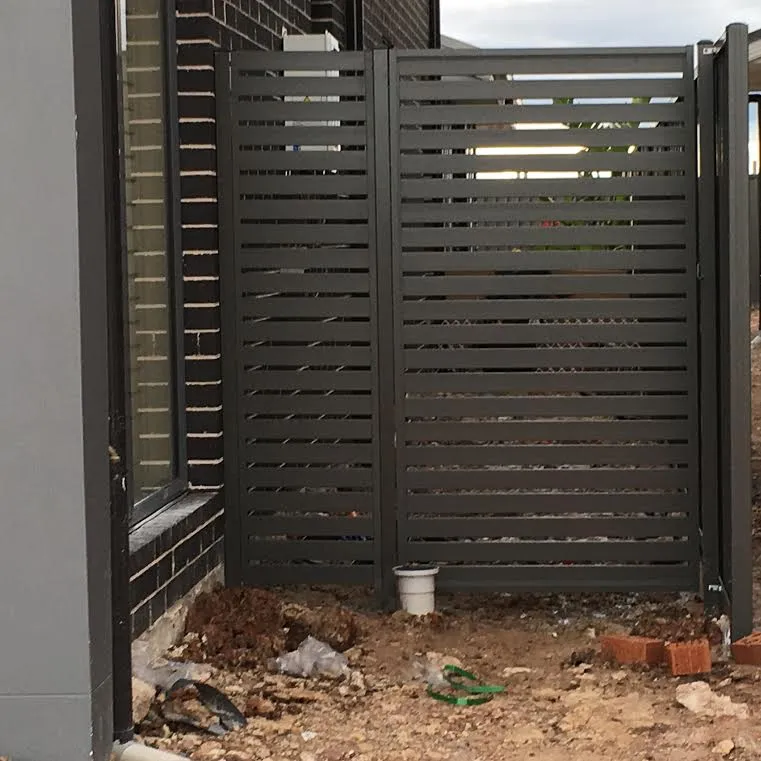
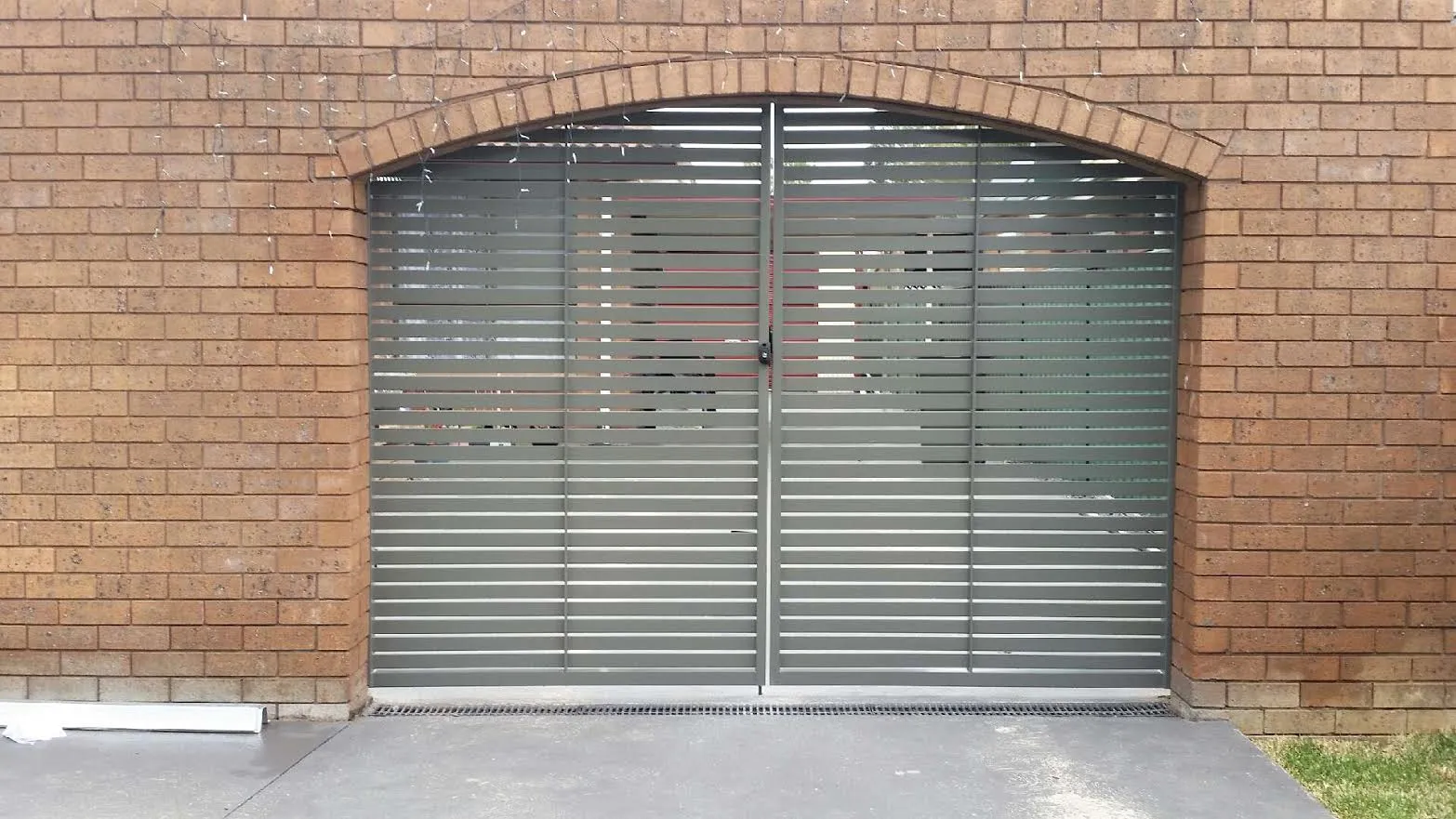
Horizontal blades stretch a facade visually, suit long front boundaries and low, wide homes, and are the more common choice. Vertical blades make a fence look taller, hide posts on short runs, cannot be climbed like a ladder and shed dust – the better choice for side screens, narrow frontages and anywhere children might climb.
Either way the blades sit in a concealed top and bottom (or side) rail so there are no visible screws on the street face.
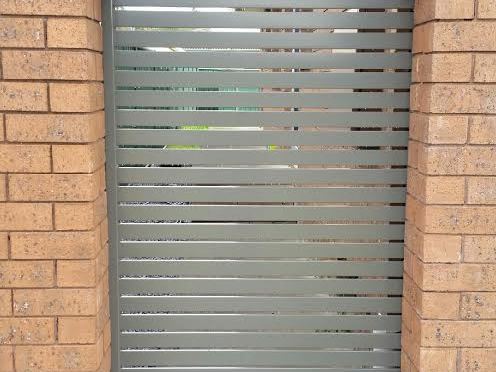
| Blade | Gap | View straight on | View at 45° |
|---|---|---|---|
| 65 mm | 20 mm | Partly open | Closed |
| 100 mm | 20 mm | Slivers only | Fully closed |
| 100 mm | 30 mm | Filtered | Closed |
| 150 mm | 30 mm | Slivers only | Fully closed |
Because blades are open when viewed square-on, most councils treat blade fences as open fencing for front-boundary height limits – confirm with your council, and read our notes on your suburb page.
Beyond the boundary fence, blade panels make excellent feature screens: hiding pool pumps, bins and air-conditioning units; screening a deck or balcony from the neighbour; framing an entry path; or breaking up a long Colorbond fence as an infill panel. Screens are built on a welded aluminium frame and can be free-standing on flanged posts, wall-mounted or set into a planter.
Blade gates are fabricated as a welded frame with blades set at the same gap as the fence, so the line runs straight through. Pedestrian gates take a magnetic latch or keyed lock; double gates get a drop bolt and optional swing-arm motors; sliding gates use a 65 × 65 mm frame on a track or cantilever. See automation options.
Colorbond Fence Panel with Louvre Inserts.
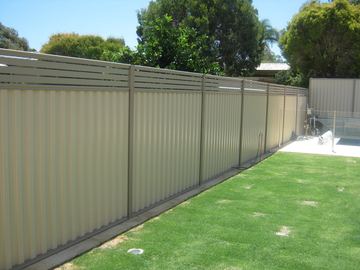
Colorbond Fence Panel with Slat Inserts.
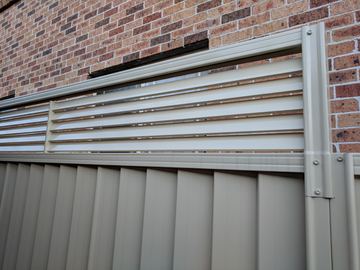
Colorbond Fence Aluminium Louvre Extension Panel.
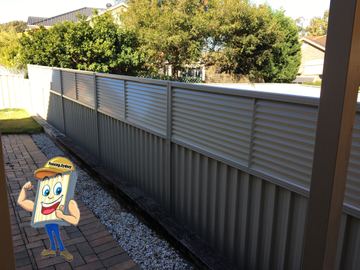
Colorbond Fence Aluminium Louvre Extension Panel.
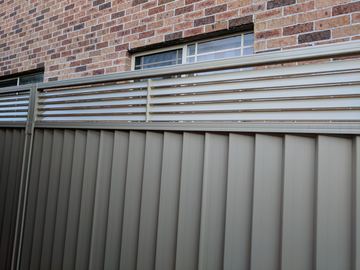
Colorbond Fence Louvre Extension Panels.
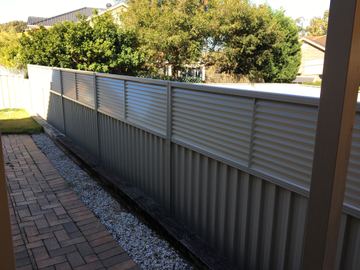
Colorbond Fence Louvre Extension Panels.
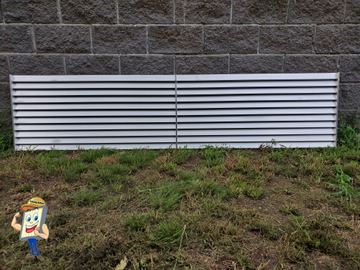
All Colorbond Fencing Colours Available.
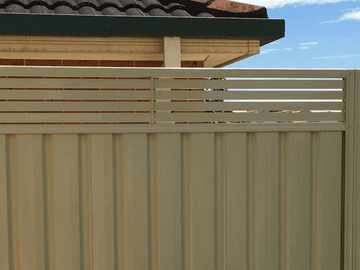
Colorbond Fence Aluminium Horizontal Slat Height Extension Panel.
Add a few details and we reply with a preliminary price or arrange a free site inspection.
Send us your fence length, height and a couple of photos and we come back to you with a preliminary price or arrange a free site inspection.